COVID-19 safety continues to be a priority in workplaces throughout California as more people receive their vaccines. Still, employers and supervisors have many questions about best practices and state regulations as they design their COVID-19 prevention plans. AgSafe and the UC Davis Western Center for Agricultural Health and Safety are hosting free trainings that can help.
It’s now faster and easier for farmers to help their workers get vaccinated, thanks to a new partnership program sponsored by the California Department of Public Health.
Although every California workplace needs to have an effective Injury and Illness Prevention Program (IIPP), there are a few differences on how employers with less than 10 employees can comply with this regulation.
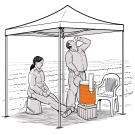
Heat-related illness poses a serious health risk to farmworkers, especially as their work season overlaps with hot summer temperatures. Workers are at higher risk of heat-related illness if they are not acclimated (or used to) the heat.
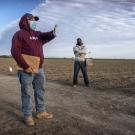
Funded by a $3 million contract with the California Labor and Workforce Development Agency, the project provides workers, growers, farm labor contractors, community groups and others the training and safety information they need to reduce farmworkers’ risk of contracting COVID-19.
This year, with COVID-19 cases on the rise, we need to take a few extra steps at work and at home in order to share the love without spreading the virus.
The Western Center for Agricultural Health and Safety offers annual funding opportunities for outreach and education activities and short-term research to support projects related to agricultural health and safety in Arizona, California, Hawaii, and Nevada.
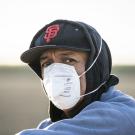
The research team from the Parikh Environmental Soil Chemistry Lab at UC Davis examined chemicals in the ash and soil from different orchards following the Thomas Fire to assess the health risks to farmworkers working in areas affected by wildfires.